Loading...
Vertical 02

Geo-Environmental Engineering Solutions — Feasibility Study to Project Execution

Geo-Environmental Engineering Consultancy

Specialised geoenvironmental engineering for landfills, ash ponds, reservoirs and tailings ponds — site characterisation, feasibility, geotechnical investigation, design, liner systems, construction supervision and performance monitoring.

Ash dykeAsh pondSlurry pondTailings pondReservoirLandfill liner
Overview

Geoenvironmental Engineering

Geotech Design Consultants provides specialized geoenvironmental engineering services for the planning, design, development and management of environmentally sensitive infrastructure. Our geoenvironmental engineering expertise encompasses the design and engineering of Landfills, Ash Ponds, Reservoirs and Tailing Ponds, integrating geotechnical engineering, environmental protection and water management.

We develop engineered containment systems, seepage control measures, slope stability solutions and drainage systems to address the technical and environmental challenges associated with waste containment, industrial by-products, water storage and mining operations.

Our geoenvironmental engineering services include site characterization, feasibility studies, geotechnical investigation, engineering design, stability analysis, liner system design, construction supervision and performance monitoring.

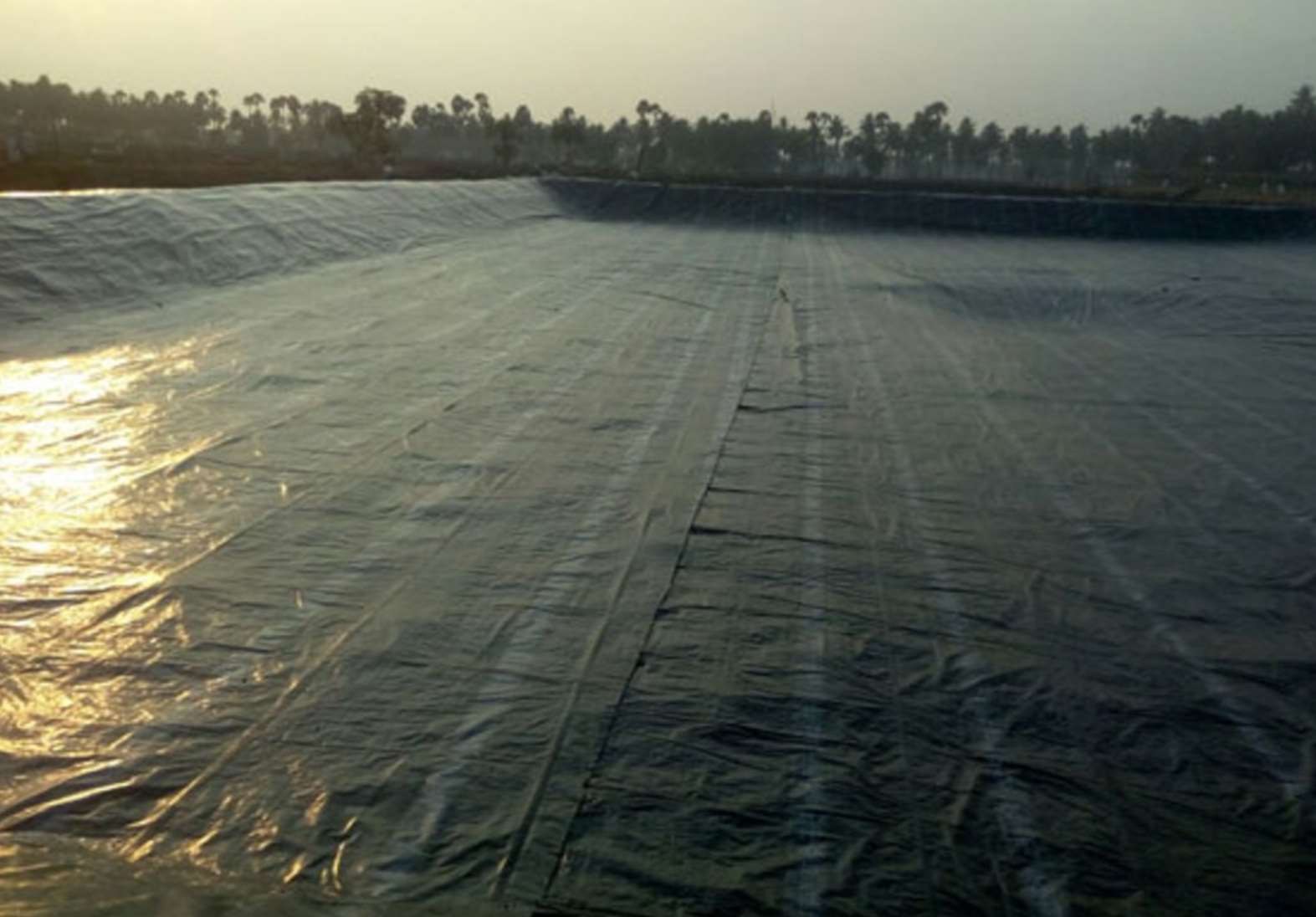
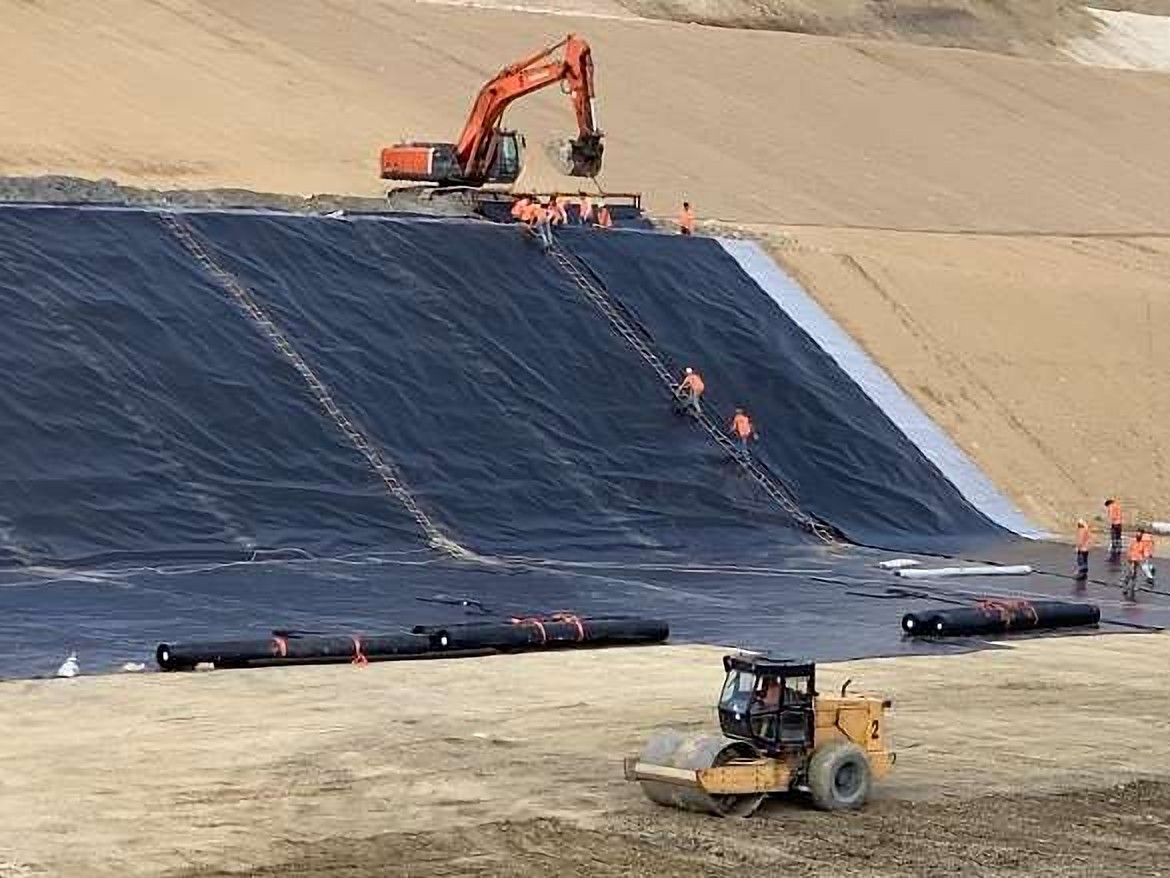
HDPE geomembrane liner installation on an engineered embankmentStudy · Design · DeliverGeoTech Design Consultants
01
Service 01

Landfill Design and Engineering

Landfill Design and Engineering
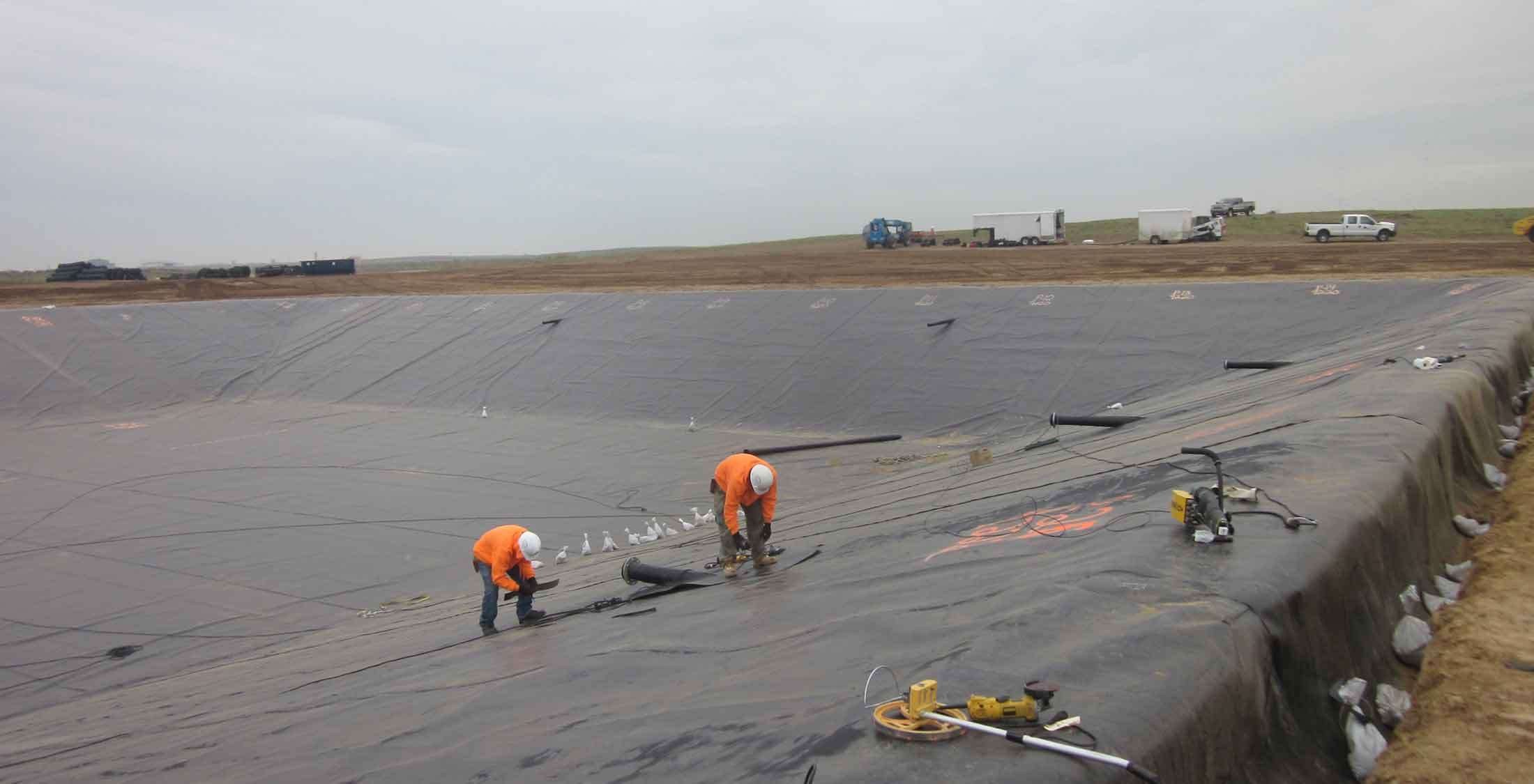
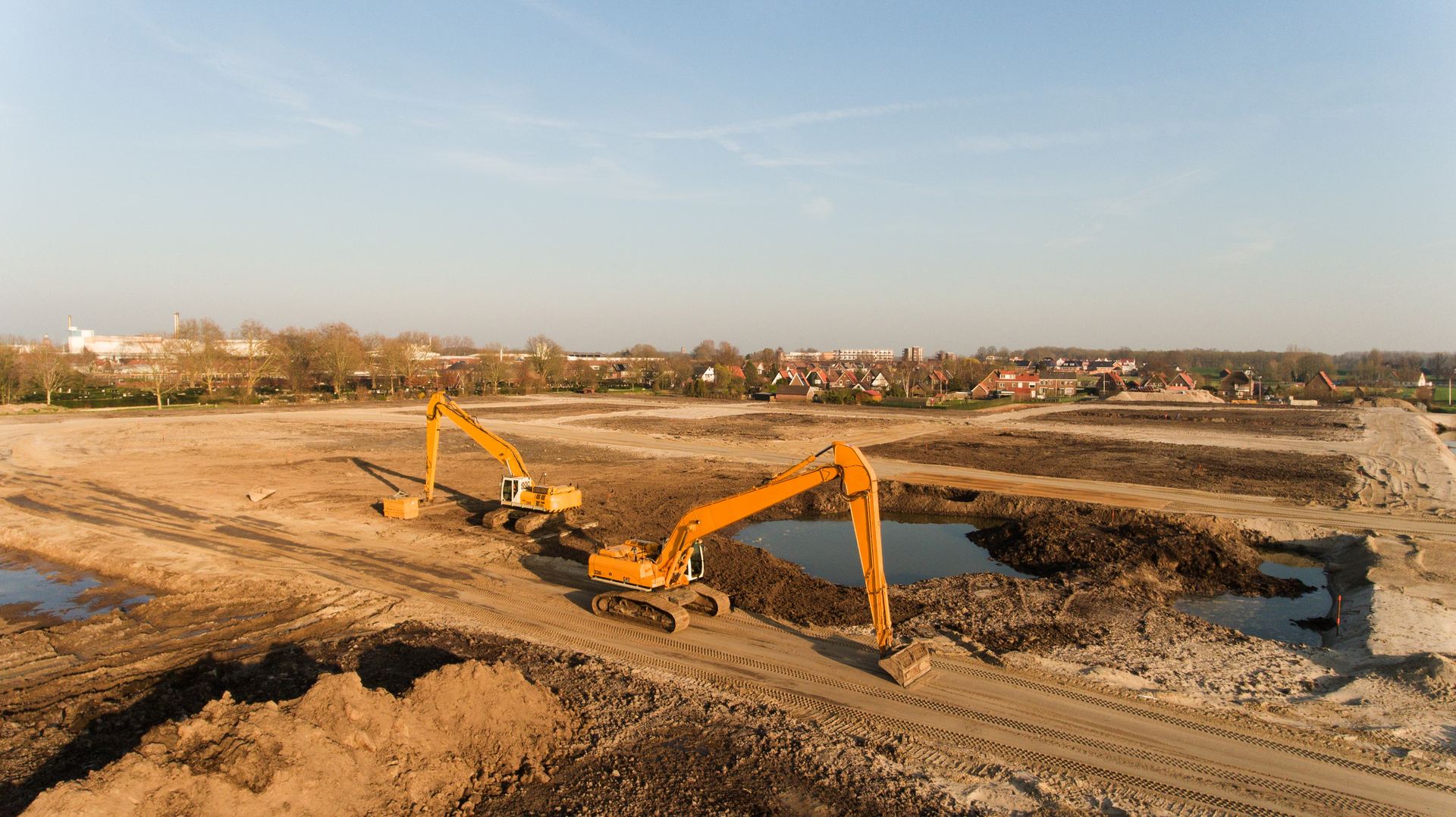
Landfill cell construction

Geotech Design Consultants provides comprehensive landfill design and engineering consultancy services for municipal solid waste landfills, industrial waste landfills and other engineered waste containment facilities, subject to applicable regulations and waste acceptance criteria.

Our landfill engineering solutions focus on environmental containment, leachate management, slope stability, groundwater protection and long-term landfill performance.

Landfill Engineering Services

  • Landfill site selection and feasibility studies
  • Geotechnical investigation and subsurface characterization
  • Landfill layout planning and engineering design
  • Landfill base liner system design
  • Geomembrane and geosynthetic clay liner (GCL) systems
  • Leachate collection and drainage system design
  • Landfill slope stability analysis
  • Landfill capping and final cover system design
  • Surface water and stormwater management
  • Landfill gas collection and venting system planning
  • Settlement analysis and deformation assessment
  • Construction quality assurance and supervision
  • Landfill monitoring and closure planning
Landfill Design Approach

Our landfill design approach incorporates site-specific geological and hydrogeological conditions, waste characteristics, groundwater protection requirements and regulatory standards. We focus on engineered liner systems, effective leachate collection, slope stability and appropriate drainage to help minimize environmental risks.

Geotech Design Consultants supports clients throughout the landfill project lifecycle, from feasibility studies and conceptual design to detailed engineering, construction supervision and closure planning.

02
Service 02

Ash Pond Design and Engineering

Ash Pond Design and Engineering
Engineered pond and containment systems

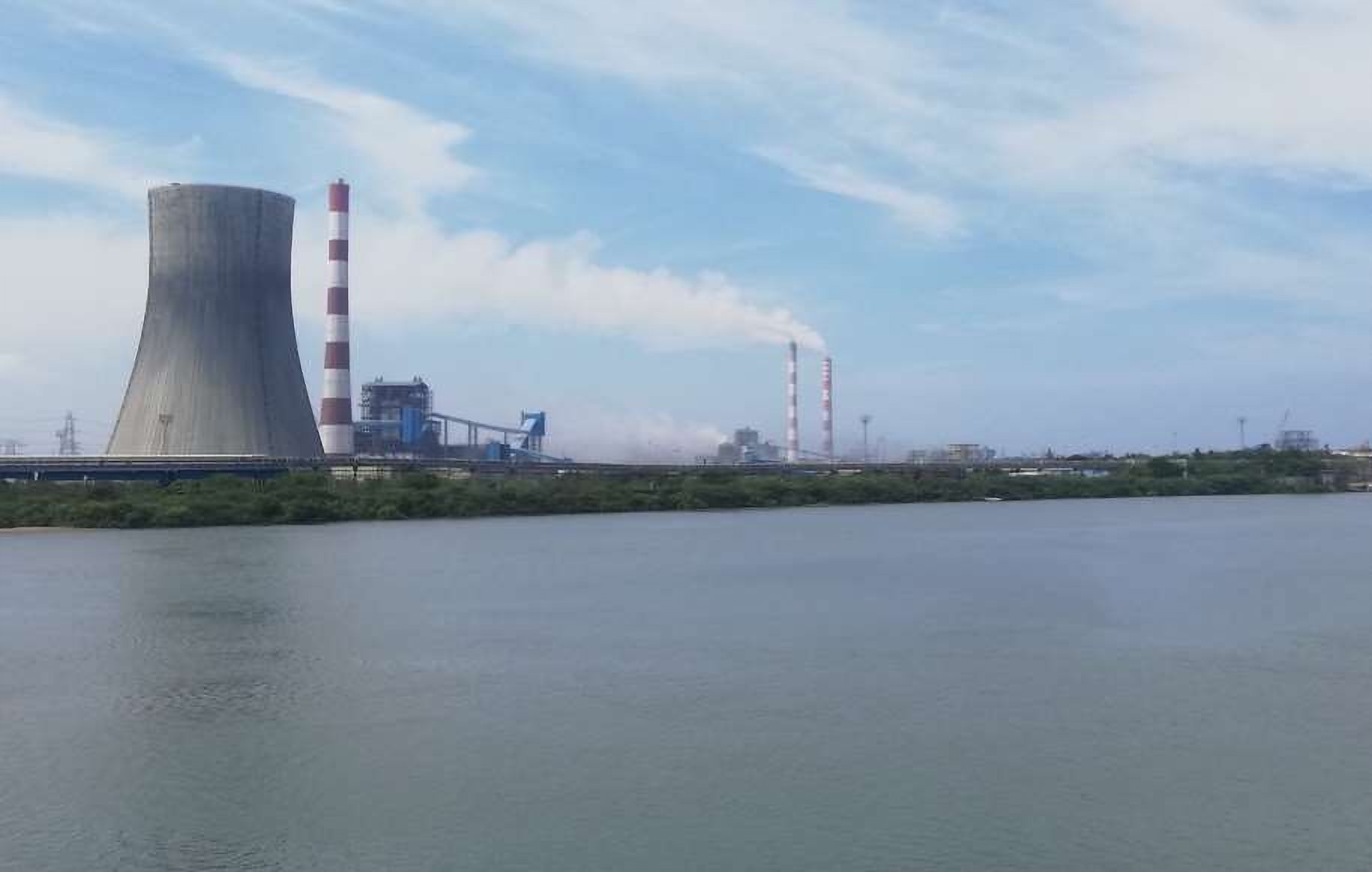
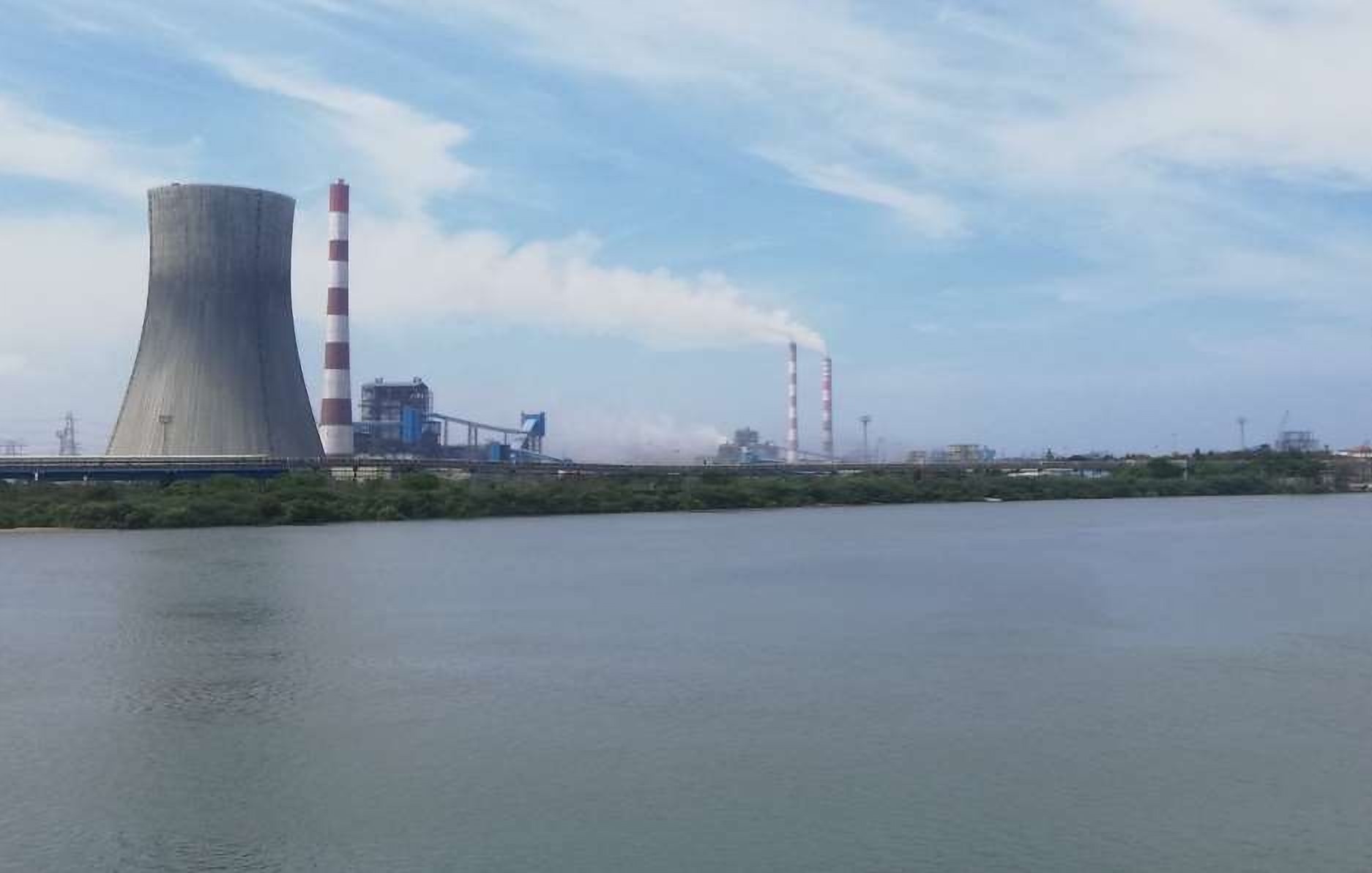
Geotech Design Consultants offers specialized ash pond design and engineering services for thermal power plants and industrial facilities that generate fly ash, bottom ash and other combustion residues.

Ash pond engineering requires careful consideration of embankment stability, seepage control, groundwater protection, water management and the long-term behavior of stored ash. Our engineering solutions are developed to address these challenges through integrated geotechnical and geoenvironmental design.

Ash Pond Engineering Services

  • Ash pond site investigation and feasibility assessment
  • Ash pond layout and embankment design
  • Geotechnical characterization of foundation soils
  • Ash dyke and embankment stability analysis
  • Seepage analysis and seepage control design
  • Ash pond liner system design, where required
  • Internal drainage and filter system design
  • Surface water management and diversion systems
  • Liquefaction and seismic stability assessment, where applicable
  • Settlement and deformation analysis
  • Raising and strengthening of existing ash dykes
  • Ash pond rehabilitation and remediation planning
  • Instrumentation and performance monitoring
  • Construction supervision and quality assurance
Ash Dyke Stability and Seepage Control

Ash dyke stability is an important aspect of ash pond engineering. Our design services include stability assessments under relevant loading and groundwater conditions, seepage evaluation, drainage design and the assessment of foundation performance.

We develop engineered solutions for new ash ponds, existing ash pond improvements, ash dyke strengthening and phased embankment raising, based on project-specific geotechnical conditions and applicable design requirements.

Our objective is to support the safe and sustainable development of ash pond facilities through sound engineering design and construction practices.

03
Service 03

Reservoir Design and Engineering

Reservoir Design and Engineering
Water storage infrastructure

Geotech Design Consultants provides reservoir design and geotechnical engineering consultancy services for water storage, industrial water management, irrigation, hydropower and infrastructure projects.

Reservoir engineering involves the assessment of foundation conditions, embankment stability, seepage control, erosion protection and water-retaining system performance. Our reservoir engineering solutions are tailored to project-specific topography, geology, hydrology and operational requirements.

Reservoir Engineering Services

  • Reservoir site investigation and feasibility studies
  • Geotechnical and geological assessment
  • Reservoir embankment and bund design
  • Earth dam and water-retaining embankment engineering
  • Slope stability and seismic stability analysis
  • Seepage analysis and seepage control measures
  • Geomembrane and geosynthetic liner design, where applicable
  • Internal drainage and filter design
  • Ground improvement and foundation treatment
  • Spillway and associated geotechnical interface assessment
  • Erosion protection and surface water management
  • Settlement and deformation analysis
  • Instrumentation and performance monitoring
  • Construction supervision and engineering support
Reservoir Seepage and Slope Stability

Effective seepage control and slope stability are critical considerations in reservoir engineering. We undertake seepage assessments, stability analysis and appropriate drainage and filter design to address potential seepage-related issues and embankment instability.

Our reservoir design consultancy supports the development of reliable water storage infrastructure, including new reservoirs, industrial water storage facilities and rehabilitation or improvement of existing embankments.

04
Service 04

Tailings Pond Design and Engineering

Tailings Pond Design and Engineering
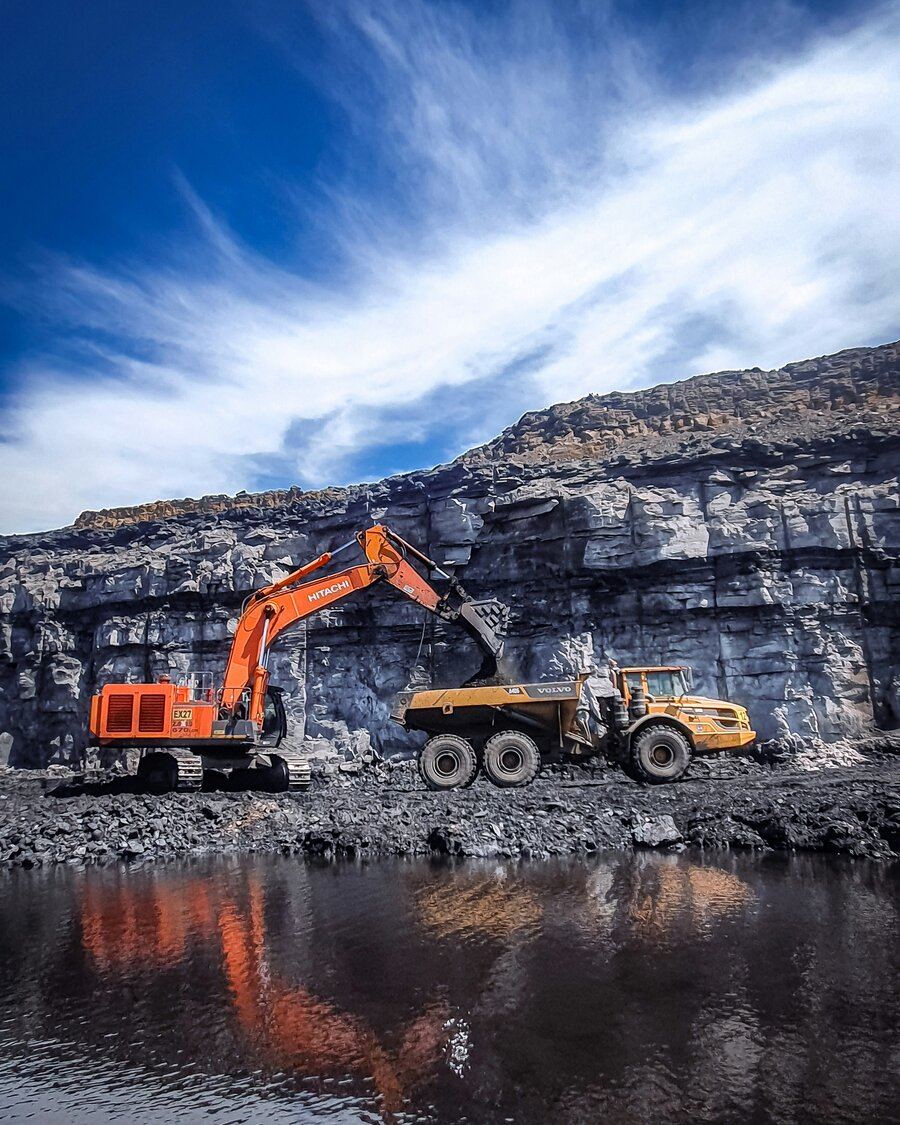
Mining and tailings operations

Geotech Design Consultants provides tailings pond design and engineering services for mining and mineral processing industries. Our tailings storage engineering capabilities focus on the geotechnical design, stability assessment, seepage control and environmental containment of tailings storage facilities.

Tailings pond design requires a detailed understanding of tailings characteristics, foundation conditions, water management, embankment performance, seismic conditions and long-term closure requirements.

Tailings Pond Engineering Services

  • Tailings storage facility (TSF) site investigation
  • Tailings pond feasibility studies and site assessment
  • Tailings embankment and containment design
  • Tailings dam stability analysis
  • Geotechnical characterization of tailings and foundation soils
  • Seepage and groundwater flow analysis
  • Liner and seepage control system design, where applicable
  • Internal drainage and filter system design
  • Tailings embankment raising and strengthening
  • Static and seismic stability assessments
  • Consolidation and settlement analysis
  • Water recovery and stormwater management planning
  • Tailings deposition and embankment development planning
  • Instrumentation and geotechnical monitoring
  • Construction quality assurance and supervision
  • Closure and rehabilitation engineering
Tailings Storage Facility Stability and Safety

Tailings storage facilities require careful engineering assessment throughout their design, construction, operation and closure. Our tailings pond engineering services address embankment stability, seepage behavior, foundation performance, deformation and water management under relevant operating and loading conditions.

We provide engineering design and technical support for new tailings ponds, existing tailings storage facility upgrades, embankment raising and rehabilitation projects, with design approaches aligned with applicable regulations and recognized tailings management standards.

Sectors served

Ash dyke, slurry pond, reservoir and landfill work across thermal power, mining, municipal and industrial clients

Thermal power

Ash dyke and ash pond design, stage-wise raising, HCSD and dry ash disposal, closure and rehabilitation.

Mining & metals

Tailings pond, slurry pond, red mud and phosphogypsum pond design, dam stability and surveillance.

Municipal & industrial waste

Engineered landfill cells, composite liners, leachate collection, capping and post-closure care.

Water infrastructure

Raw water and process reservoirs, lined storage ponds, embankment design and seepage control.

How we work

Study · Design · Deliver — one team, start to finish

Frequently asked questions

Geo-environmental engineering FAQs

Straight answers on ash dykes, slurry and tailings ponds, reservoirs, liners and what you receive from us.

Geo-environmental engineering is the branch of geotechnical engineering that deals with storing or containing material that must not escape — ash, slurry, tailings, water or waste. In practice that means ash dyke and ash pond design, slurry pond and tailings pond design, raw water and process reservoirs, and engineered landfills, together with the liners, drainage, monitoring and closure works that go with them.

The ash pond is the storage area that holds the ash and the supernatant water; the ash dyke is the embankment that forms it. They are designed together: the pond fixes the storage volume and water level, and the ash dyke has to be stable against that level for every stage of raising, through the monsoon and under seismic loading.

Storage follows from ash generation, the fly ash and bottom ash split, the mode of disposal and the in-pond dry density achieved — not from area alone. We build a capacity–elevation curve for the site and then fix the number of raising stages so that each stage buys a sensible number of years of storage. Too few stages lock up capital and land early; too many spend the saving on repeated mobilisation and interim drainage.

Upstream raising is the cheapest in fill and land but places the new dyke over deposited ash, so it is only acceptable where that ash is drained, strong enough and not liquefiable. Downstream raising is the safest and takes the most land and fill. Centreline raising is the compromise. The choice is made from piezocone and strength testing through the deposited ash and from the seismic zone — not from cost alone.

It depends on the ground, the groundwater and the regulator. Where the sub-soil is permeable or the water table is shallow and in use, a lining system — compacted clay, amended soil or a geomembrane — is required, and the SPCB usually sets the standard as a condition of consent. Where natural low-permeability strata exist and can be proved by field permeability testing, lining requirements can be reduced. The investigation, not an assumption, settles it.

Boreholes with SPT and undisturbed sampling along the dyke alignment and over the pond area, CPT or piezocone where soft strata are suspected, geophysics to bracket rock level, trial pits and testing in every borrow area, field permeability and density, piezometers for the groundwater regime, and a full laboratory suite for classification, compaction, shear strength, consolidation, permeability and chemistry. Raising an existing pond adds profiling and sampling through the deposited ash itself.

Often yes, and it is one of the more useful savings available, because pond ash is on site and free. It has to be proved first: grading, specific gravity, compaction characteristics, shear strength, permeability and liquefaction potential, and usually a soil or clay cover on the outer slope for erosion and dust control. Ash fill also needs tighter moisture control during placement than soil does.

Pond ash is a low-plasticity, silt-sized, low-specific-gravity material and loose saturated ash can liquefy, which is why raising over saturated deposited ash is treated carefully. Seismic stability is normally checked by pseudo-static analysis using the seismic coefficient for the zone from IS 1893 (Part 1), supported by a liquefaction susceptibility assessment from the in-situ testing, and for high or high-consequence dykes by deformation analysis.

Typically around 1.5 for long-term steady seepage, about 1.3 for end of construction and rapid drawdown, and of the order of 1.0 to 1.2 under pseudo-static seismic loading, following IS 7894 and CEA / CBIP practice for ash dykes and IS 12169 for small embankments. The governing case is stated in the design basis report, and the values are agreed with the owner before the analysis is run.

By keeping the phreatic line inside the downstream shell and giving the water a designed way out. That is usually a chimney drain, a horizontal blanket drain to a toe drain and outfall, filter media graded against the surrounding soil to prevent piping, and a rockfill toe where needed. Seepage is modelled numerically, the exit gradient is checked, and a V-notch weir is provided so that the quantity can be measured for the life of the facility.

A prepared subgrade, a compacted clay layer at a permeability not exceeding 1×10⁻⁷ cm/s, a textured HDPE geomembrane, a protective geotextile, a graded drainage blanket and perforated HDPE collection pipes running to sumps, with base grades of at least two per cent, anchor trenches at the crest and interface friction checked on the side slopes. A final cap with gas venting closes the cell.

The principles are the same but the material is not. Tailings and process slurries can be denser, more acidic or alkaline, chemically aggressive and slower to drain, so liner compatibility, water balance, decant capacity and the rate of rise matter more, and the dam is usually treated as a higher-consequence structure with tighter instrumentation and formal surveillance.

Both. Construction support covers compaction trials, field density and gradation control, drain and filter acceptance, liner CQA including weld and destructive testing, piezometer monitoring against design assumptions, and as-built records. Under a PMC scope we additionally run tendering, measurement and bill certification, schedule and cost control, safety audit and the compliance file.

At minimum piezometers along and across the dyke to prove the phreatic line, settlement markers on crest and berms, V-notch weirs at drain outfalls to measure seepage, and staff gauges for pond level and freeboard. Inclinometers are added where lateral movement is a concern, and monitoring wells around the facility where groundwater quality has to be demonstrated. Readings are only useful if someone interprets them against the design — that is part of the AMC.

Instrumentation is normally read monthly and more frequently while raising is in progress or during heavy rainfall. A full inspection is carried out before and after every monsoon, with a written safety review report annually. Any change in seepage quantity or clarity, any new crack, bulge or boil, and any loss of freeboard is treated as a reason to inspect immediately rather than waiting for the next cycle.

Yes, and it is a large part of what we do — raising a dyke built by others, investigating distress, reviewing an existing design, or restoring records that were never kept. We begin with a document and instrumentation review and a site inspection, then a targeted investigation to establish what is actually there before proposing anything.

Consent to establish and to operate from the State Pollution Control Board, environmental clearance where applicable under the EIA notification, compliance with the MoEFCC fly ash notification for ash utilisation and disposal, CEA and CBIP practice for ash dykes at thermal stations, the Solid Waste Management Rules and CPCB siting criteria for landfills, plus forest, CRZ, groundwater and airport clearances where the site attracts them. Our design basis report is written to be submitted, not rewritten.

A feasibility study and site survey is usually a few weeks; geotechnical investigation depends on the number of boreholes and laboratory turnaround; design and drawings follow the investigation. On a typical staged ash dyke or landfill package the sequence runs to a few months from award to good-for-construction drawings. Fees depend on facility size, number of stages and scope — send the site details and the storage requirement and you will get a fixed scope and a fixed fee, not a rate card.

Yes. Closure design covers final grading and stability of the completed profile, capping with the required barrier and drainage layers, surface water management, gas venting where relevant, dust control and vegetation, long-term monitoring of groundwater and settlement, and a post-closure maintenance plan. Where the land is to be reused, the end-use loading is designed for from the start.
Start the study

Send the site details and the storage you need — you will get a scope and a fee, not a brochure

Start the study

Request a proposal